Helping children and families in Victoria heal, connect, and thrive.
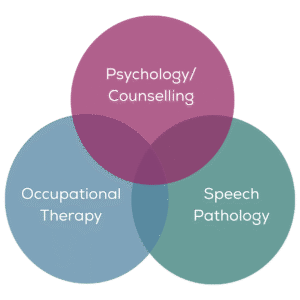
At our Melbourne Integrated Therapy Service centre in Broadmeadows, we provide integrated, trauma-informed support to help children and young people build safety, trust, and connection – right when they need it most. Our experienced team of psychologists, occupational therapists, speech pathologists and family support specialists work together to help each child grow, heal, and reach their full potential.
Across Melbourne, many families are working hard to create safe, nurturing homes while managing the pressures of daily life. In some communities, social and financial stress can make it harder for children to feel settled or ready to learn.
Providing gentle, trauma-informed therapy and family support helps build resilience, strengthen relationships, and give children the tools they need to grow and thrive.
What makes our service unique is how we work together. Our multidisciplinary team meets regularly to collaborate on each child’s care, sharing insights from psychology, occupational therapy, and family support perspectives.
This integrated approach means we don’t just focus on one part of a child’s life – we address the emotional, social, sensory, and developmental needs that all interconnect.
Our psychology and counselling teams offer individual and dyadic therapy for children and their caregivers, using evidence-based models such as Theraplay, Dyadic Developmental Psychotherapy, Cognitive Behaviour Therapy, and Circle of Security.
Occupational Therapy
Our occupational therapy team provide trauma and attachment-informed assessments and interventions to support sensory needs, fine and gross motor development, and emotional regulation.
Speech Pathology
Our speech pathology teams support children whose communication or feeding skills have been affected by trauma or developmental challenges. Therapy focuses on building confidence and connection through language, play, and interaction.
Positive Behaviour Support
Positive behaviour support helps children and young people learn new ways to manage emotions, build confidence, and connect with others. We work closely with families, schools, and caregivers create practical strategies that promote safety, stability, and growth in daily life.
Multi-generational support
Our Intergenerational Trauma Model supports a six-week program, which allows our team work with parents and caregivers to better understand their child, support parent–child relationships and develop strategies that support healing.
Our team of psychologists, speech pathologists and occupational therapists deliver a range of assessments which help build a clear picture of each child’s strengths, challenges, and needs. These include developmental and trauma-specific assessments.
When a child has experienced trauma, it can touch every part of their development: from how they think and feel, to how they learn, play, and relate to others. That’s why our Adelaide team looks at the whole child within the context of their family and environment.
We work closely with caregivers, educators, and other professionals to understand each child’s experiences, strengths, and needs. Therapy is tailored to their stage of development and delivered in a safe, relational way, helping children rebuild trust, regulate emotions, and develop new skills for life.